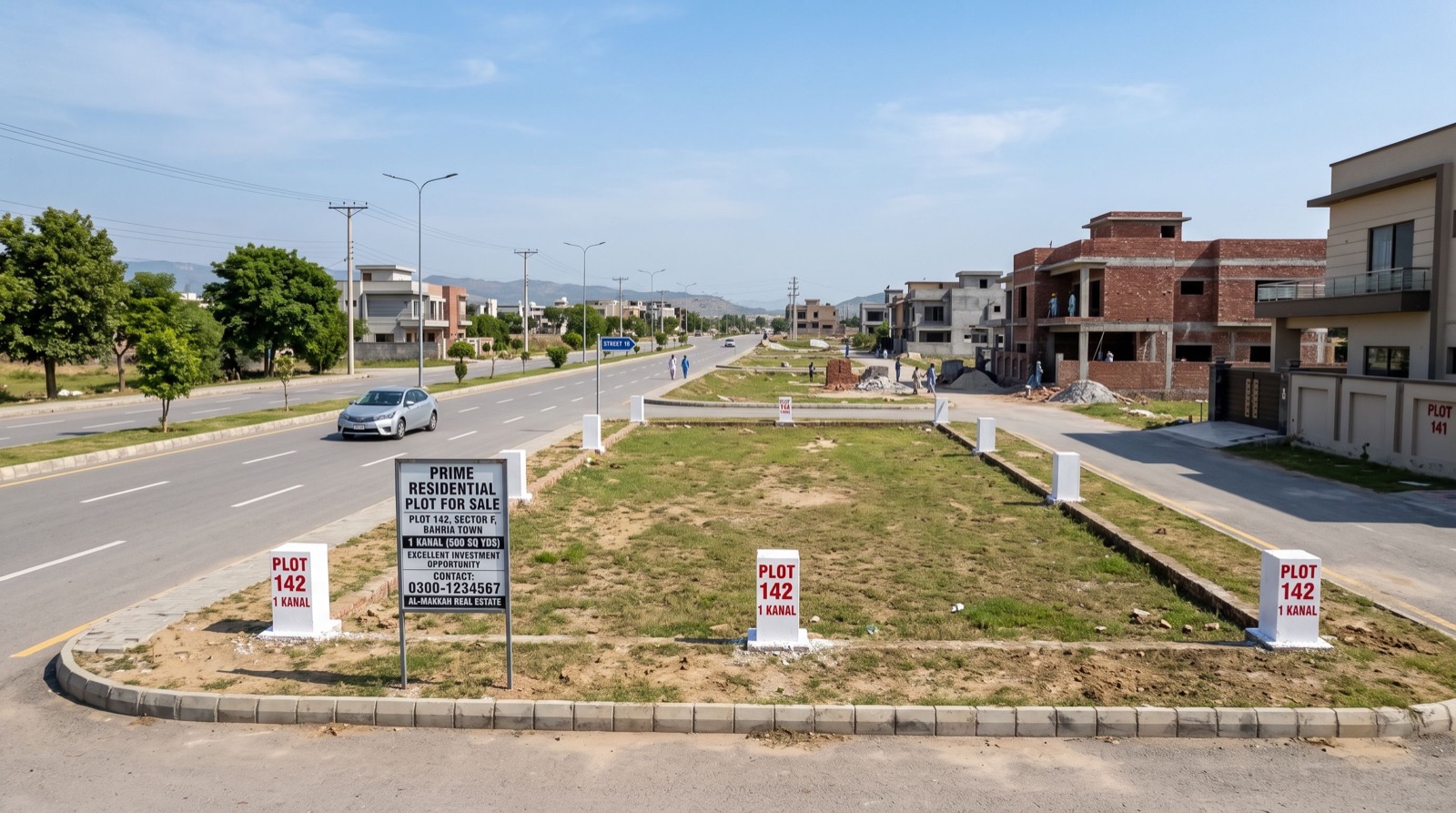
Buying a plot in Rawalpindi is often the biggest financial decision a family makes, and the first question should always be about legality. RDA approved housing societies in Rawalpindi give buyers a documented layout, a verified title chain and a regulator they can approach if something goes wrong. This 2026 guide explains how approval works, what to check and how to compare your options.
We wrote it from the buyer’s side of the table. Every tip below comes from patterns seen when families, overseas Pakistanis and first-time investors try to separate safe projects from risky ones.
Why RDA Approved Housing Societies in Rawalpindi Matter
The Rawalpindi Development Authority (RDA) regulates private housing schemes inside its jurisdiction. A scheme that holds a valid No Objection Certificate (NOC) has had its land title, master plan, road widths, utility corridors and open spaces reviewed by the authority.
That review protects you in three practical ways.
- Legal clarity: the land belongs to the developer and is free of disputed claims at the time of approval.
- Planned development: parks, mosques, schools and commercial strips are reserved on paper, so they are less likely to be sold off as plots later.
- Recourse: if a developer deviates from the approved plan, you can file a complaint with the authority instead of relying only on the courts.
Unapproved schemes can look identical on a brochure. The difference appears years later, when you try to build, sell or get a utility connection.
How Does RDA Approval Actually Work?
Approval is not a single stamp. It is a staged process, and a society may sit at different stages when you visit its office. Knowing the stages helps you read marketing claims critically.
- Land and ownership scrutiny. The developer submits revenue records, fard and proof of purchase or consolidation of the land.
- Layout plan submission. A planner prepares the master plan showing plots, roads, green belts and amenities.
- NOC issuance. After technical review and site inspection, the authority grants a No Objection Certificate for development.
- Development phase. Roads, drainage and electricity infrastructure are built, with periodic checks.
- Completion and handover. Possession and registration of plots follow once the work reaches agreed milestones.
A project with an NOC can legally sell files. A project with only a pending application cannot, no matter how polished the sales pitch sounds.
Key Features to Compare Before You Invest
Approval is the entry ticket, not the whole decision. Two approved societies can differ greatly in location, pace of development and resale demand.
| Factor | What to look for | Why it matters |
|---|---|---|
| NOC status | Valid NOC number and date, matching the phase on sale | Confirms the phase is legally marketable |
| Location and access | Distance to GT Road, Islamabad Expressway or the Ring Road | Drives rent, resale and daily convenience |
| Development progress | Carpeted roads, sewer, electricity poles installed | Shows the developer can deliver |
| Possession status | Balloting done, plots physically demarcated | Reduces the risk of a paper-only plot |
| Payment plan | Transparent instalments, no hidden surcharges | Protects your cash flow |
| Transfer fees | Published society transfer and NOC charges | Affects your exit cost |
Print this table and fill it in for every society on your shortlist. Seeing the numbers side by side usually makes the decision obvious.
A Practical Verification Checklist for 2026
Documents tell the real story. Before paying any booking amount, work through the steps below.
Check the paperwork
- Ask for a photocopy of the NOC and match the society name, phase and area with the plot file you are buying.
- Request the approved master plan and confirm your plot number appears on it.
- Verify the land record (fard) through the Punjab Land Records Authority service rather than trusting a photocopy.
- Insist on an allotment letter with the plot number, size and payment schedule printed clearly.
Check the ground
Visit the site on a weekday, not during a guided Sunday tour. Look at whether construction is active, whether neighbouring plots have houses and whether the road to your plot exists beyond the marketing map.
One original tip that saves many buyers: photograph the site boundary pillars and compare them with the approved plan using a free satellite map. A mismatch of even a few hundred metres is a reason to pause.
Check the money trail
Pay by bank transfer or pay order in the developer’s registered company name. Never pay cash to an individual dealer, and keep every receipt stamped by the society office.
Residential, Commercial and Investment Angles
Your goal changes what “best” means. A family planning to build in three years needs a society with working infrastructure. An investor holding for five years may accept a rougher site in exchange for lower entry prices.
Smaller plots of 5 and 7 marla tend to be the easiest to resell because the buyer pool is wide. Corner and park-facing plots command a premium but need a longer wait for the right buyer. Commercial plots near main boulevards suit buyers who can wait for a population to settle first.
Whatever you choose, treat 2026 as a year for careful due diligence. Construction costs remain high, so a plot you can build on within a reasonable time is worth more than a cheaper one that sits idle.
Where to Find Reliable Listings and Guidance
A trustworthy guide saves time. The Silver City Rawalpindi website collects project information, location context and buying advice for the city in one place. Its in-depth list of RDA approved housing societies is a useful starting shortlist for buyers who want secure investment options rather than speculative ones.
Use any directory as a starting point only. Cross-check every claim with the authority and with the society office before you pay.
After You Buy: Registration, Possession and Moving In
Once the plot is yours, complete the transfer promptly. Register the sale deed, pay the applicable stamp duty and capital value tax, and collect the society’s transfer letter. Delays here create the disputes that cost buyers the most.
When construction ends and you are ready to relocate, plan the move early. Arranging an experienced local team for packing and transport reduces damage and stress, especially for families moving between cities.
- Obtain a building plan approval before breaking ground.
- Apply for electricity, gas and water connections as soon as the structure is ready.
- Keep digital scans of every document in two separate places.
Frequently Asked Questions
How do I know if a housing society is RDA approved?
Ask for the NOC number and date, then confirm it directly with the authority’s office or website. Match the phase on sale to the phase named on the NOC. If the dealer cannot show it, treat the scheme as unapproved.
Is an RDA NOC enough to guarantee a safe investment?
No. An NOC shows legal approval, but it does not guarantee the developer will finish work on time. Check physical progress, possession status and the company’s delivery record as well.
Can I buy a plot in a society that only applied for approval?
You can, but you take on the full risk. The scheme cannot legally sell files before approval, so any payment you make is exposed if the application is rejected or delayed.
What documents should I keep after buying?
Keep the allotment letter, payment receipts, transfer letter, registered sale deed, fard copy and a photocopy of the NOC. Store scans in two secure locations.
Final Thoughts
Choosing among RDA approved housing societies in Rawalpindi is about combining legality with realistic delivery. Verify the NOC, inspect the site, compare the numbers in a simple table and pay only through traceable channels. Do those four things in 2026, and you will avoid most of the problems that trouble first-time buyers. Start with a shortlist, visit in person and make your decision on evidence, not pressure.